
Introduction
Minimum order quantity, or MOQ, is one of the first questions buyers ask a supplement manufacturer. It is also one of the most misunderstood. MOQ is not an arbitrary number added to a quotation; it is the point where ingredient purchasing, production setup, packaging supply and quality work can be organized into a viable batch.
Two products that look similar on a retail shelf can have very different minimums. A standard formula in a common bottle may be easier to start than a bespoke formula using a low-volume botanical, custom gummy mold and printed carton. Understanding the cost drivers helps buyers request better quotations and choose the right launch strategy.

MOQ Is the Result of Several Minimums
A quotation may refer to units, bottles, kilograms, tablets, gummies or finished cases. Buyers should always ask what the number means and what is included. The production minimum might be achievable, while a printed pouch supplier requires more film than the first batch consumes. The unused material may need to be purchased, stored or charged separately.
For that reason, compare quotations using the same scope. Confirm the formula, units per pack, packaging specification, testing, artwork, case quantity and shipping basis. A low MOQ that excludes essential packaging or testing is not directly comparable with a complete finished-goods proposal.
1. Formula Complexity and Ingredient Purchasing
Ingredient availability is a major MOQ driver. Common vitamins, minerals and base materials may be available in production-friendly quantities, while a specialized branded ingredient, custom extract or unusual flavor may carry its own supplier minimum. The serving amount also matters: a small inclusion rate can leave excess material after one production run.
A customized formula may require development batches, flavor masking or processing adjustments before it is ready for scale. These costs do not always increase the physical batch minimum, but they affect the commercial viability of a very small project. Ask whether ingredients are purchased specifically for your order and how remaining materials are managed.
2. Dosage Form and Production Setup
Every format has its own setup requirements. Tablet tooling, gummy depositing, softgel encapsulation, powder blending and liquid filling use different equipment and cleaning procedures. The line must be prepared, checked and cleared whether the run is large or small, so setup time is spread across the batch.
A standard tablet shape or capsule size may be simpler than a custom tool or mold. Single-serve stick packs can require enough blend and film to stabilize the filling and sealing process. Softgels may involve minimum fill and shell preparation quantities. The right question is not which format always has the lowest MOQ, but which format best matches the formula, consumer and planned sales volume.
| Format | Typical MOQ Drivers | Planning Questions |
|---|---|---|
| Gummies | Gelling batch, active load, flavor, mold and bottle count | Standard or custom shape? Pectin or gelatin? |
| Tablets | Blend size, tooling, coating and bottle or tube | Standard tooling? Coated or uncoated? |
| Softgels | Fill preparation, shell, size, color and encapsulation run | Oil or suspension? Standard shell and size? |
| Powders | Blend uniformity, serving weight, jar or stick filling | Bulk jar, pouch or individual sachets? |
| Liquids | Mixing volume, bottle size, dropper or closure | Water-based or oil-based? Flavor and preservation needs? |
3. Packaging Often Sets the Real Minimum
Packaging can set a higher minimum than production. Stock bottles and closures may support smaller orders, while custom-colored containers, printed tubes, decorated caps and specialty pumps usually require dedicated procurement. Labels are comparatively flexible, but finishes, materials and printing methods still affect setup costs.
Flexible packaging deserves special attention. Printed pouch or stick-pack film is normally produced in a continuous quantity, so the print supplier’s minimum may exceed the amount consumed in the first run. Cartons and display boxes also have economical print quantities. Ask how many components will be used, how many remain and whether repeat use is possible.
How Format and Packaging Change MOQ
These real product formats show why a single universal MOQ is not meaningful.
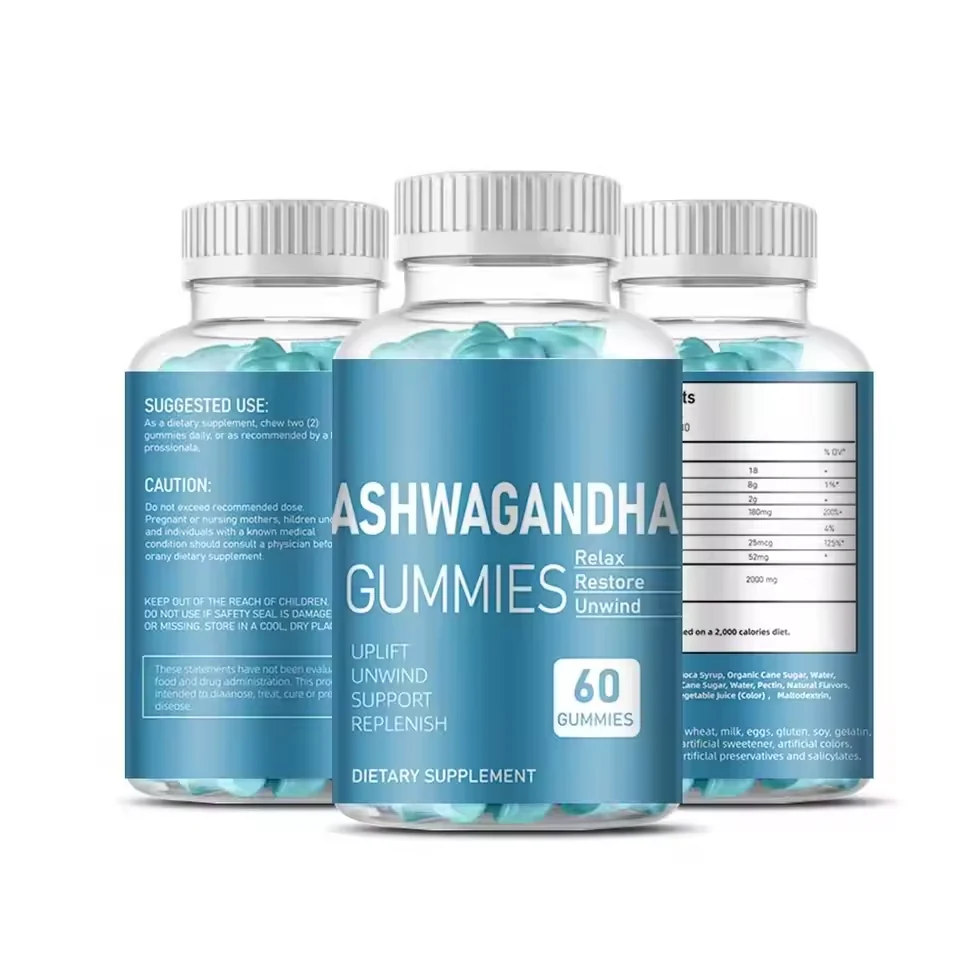
Bottle Gummies
Formula batch, gummy shape, count, bottle, cap, label and carton all contribute to the opening quantity.
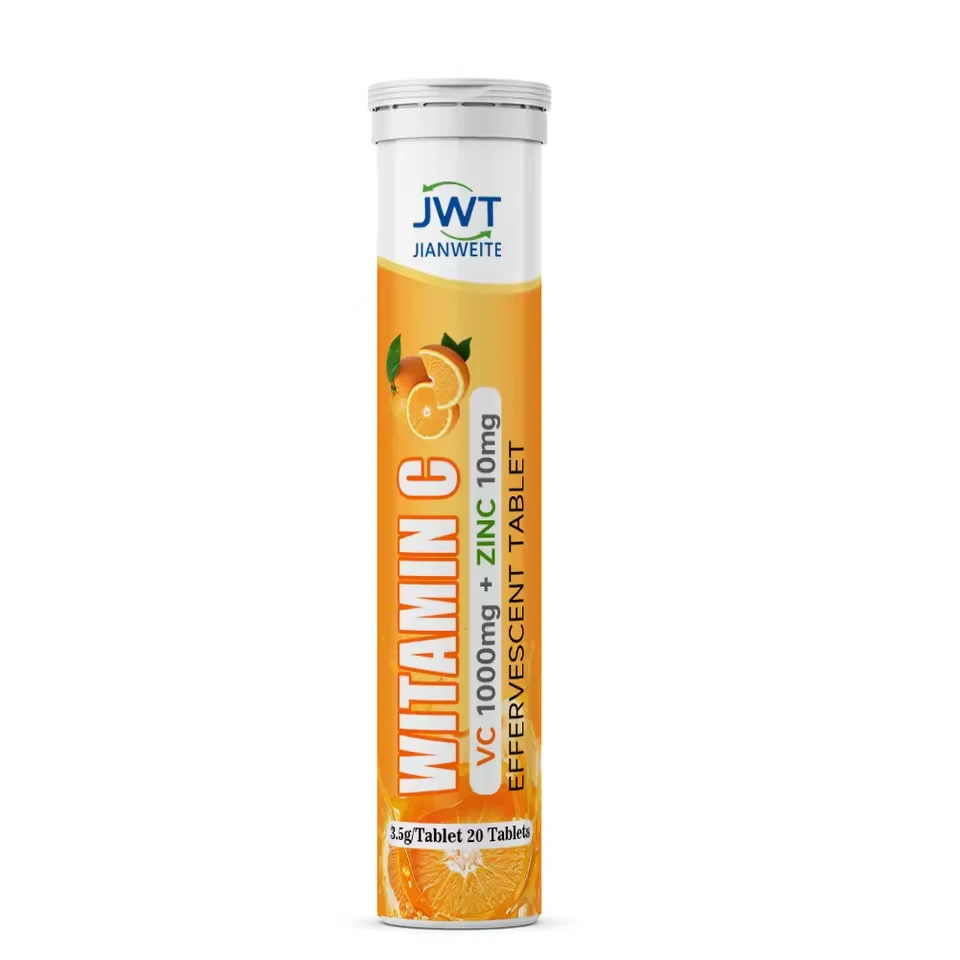
Tablet Tubes
Tablet production and moisture-protective tube procurement must be planned as one finished pack.
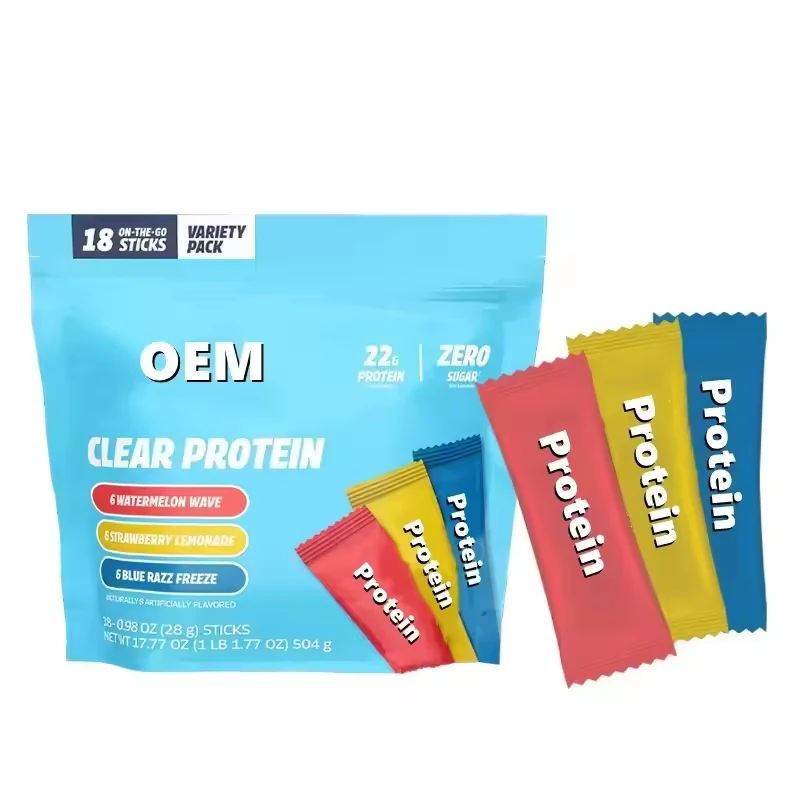
Stick Packs
Blend size, sachet film, printing and units per carton can make packaging the governing minimum.
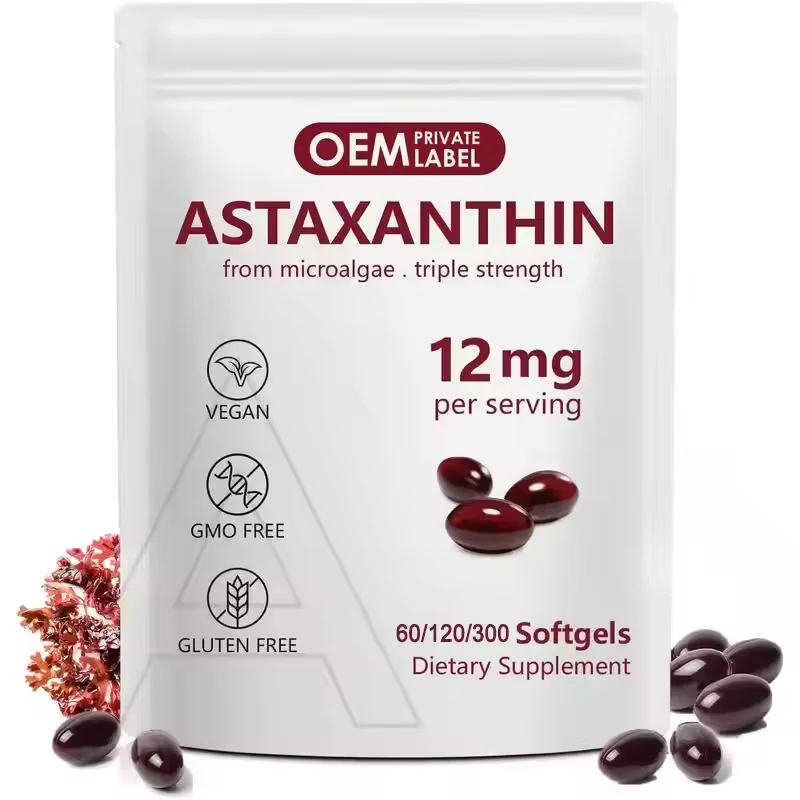
Softgel Bottles
Fill, shell, encapsulation, bottle count and component purchasing need to align.
4. Testing and Documentation Have Fixed Costs
Quality work is required even when a batch is small. Specifications must be reviewed, production records completed and the agreed finished-product checks performed. Some laboratory tests are priced per sample rather than per bottle, so the same testing cost has a larger effect on a small run.
Do not reduce the order by quietly removing essential quality work. Instead, ask the manufacturer to explain which tests are included, which are formula- or market-specific, and whether validated results or supporting documents from materials can be used appropriately. The testing plan should be agreed before the quote is compared.
5. Customization Increases Coordination
Customization creates differentiation, but each unique element can introduce a new minimum. A custom gummy shape may need tooling. A proprietary color may require a dedicated packaging run. A branded ingredient may have a supplier agreement. A complex multi-ingredient formula can require additional sampling and procurement coordination.
Buyers can often preserve the most important part of the concept while simplifying less important elements. For example, keep a distinctive formula but use a stock bottle for the first launch, or use a standard gummy shape while investing in strong label design. This is a strategic trade-off, not a reduction in product quality.
How to Request a Comparable MOQ Quotation
Send each manufacturer the same brief and ask for assumptions to be shown. The quote should identify the formula route, serving size, dosage form, quantity per pack, packaging components, included testing, sampling fees, lead-time basis and validity period. If tooling, print plates or artwork support are separate, they should be listed.
Define the Finished Unit
State exactly what one saleable unit contains and how it is packed.
Request Two or Three Volumes
Compare an opening order with realistic reorder and scale-up quantities.
Separate One-Time Costs
Identify development, tooling, print setup and artwork costs that may not repeat.
Confirm Included Testing
Make sure each quote uses the same quality and documentation scope.
Ask About Excess Components
Understand ownership, storage life and reuse of remaining labels, cartons or film.
Check Reorder Conditions
Confirm whether the next run can use retained components and the same approved specification.
Ways to Start Smaller Without Creating a Weak Product
- Select an established base formula when it meets the brand’s real positioning.
- Use standard bottle, closure, capsule size, tablet tooling or gummy shape.
- Customize the label and carton before investing in a custom container.
- Limit opening flavors or variants instead of splitting volume across many SKUs.
- Choose one pack count and one market language for the initial production run.
- Plan a realistic reorder so remaining printed components can be used before they age.
Avoid splitting one small order into too many flavors, strengths or package sizes. Each SKU can create separate material, setup, artwork, testing and inventory requirements. One well-defined launch product usually generates better learning than several under-supported variants.
Unit Price Is Not the Same as Total Project Cost
A larger batch often reduces unit cost because setup, testing and project work are distributed across more saleable units. However, the lowest unit price is not automatically the best decision. Excess inventory consumes cash, warehouse space and remaining shelf life. Buyers should compare total landed cost with a realistic sales forecast.
Build a simple model using finished units, development and setup costs, included testing, freight, duties, storage and expected sell-through. Then compare the cost of ordering too little, which can cause stockouts and repeated setup, with ordering too much, which can create aging inventory.
Questions to Ask About MOQ
- Is the MOQ measured in finished units, bulk weight or production pieces?
- Which ingredient or packaging component sets the minimum?
- Are formulation, sampling, testing and printing included?
- Can stock components be used for the first order?
- What one-time costs will not repeat?
- What happens to unused printed packaging or project-specific ingredients?
- How do price and lead time change at the next two volume levels?
Supplement MOQ FAQ
Why can two manufacturers quote different MOQs?
They may use different equipment, ingredient suppliers, packaging sources, testing scopes or commercial assumptions. Compare the complete finished-goods specification rather than the headline number alone.
Does a stock formula always have a lower MOQ?
It can reduce formulation and ingredient complexity, but packaging, dosage form and production scheduling still affect the final minimum.
Can packaging have a higher MOQ than the supplement itself?
Yes. Printed film, custom containers, tubes, caps and cartons can have supplier minimums above the production quantity.
Should I order more only to get a lower unit price?
Only when the sales forecast, storage conditions, cash flow and remaining shelf life support the larger quantity. Evaluate total inventory risk as well as unit price.
Build the MOQ Around a Launch Plan
A useful MOQ is the smallest quantity that can be produced, packed, reviewed and delivered without undermining the approved product. When buyers understand the governing ingredient, process and packaging minimums, they can simplify the right elements and protect the parts that create genuine brand value.
Share the intended formula, dosage form, pack format, target market and estimated volume with Hongri Pharma for a project-specific assessment. You can also review our OEM/ODM service scope before requesting a quotation.
Need help with a similar request?
Share your product requirements, timeline and cooperation goals. We can help clarify the next step.