
Introduction
Products developed for specific dietary needs require more than a prominent front-label phrase. The intended consumer, nutrient profile, ingredient sources, allergen expectations, serving design and destination-market category must be considered together. A technically sound project begins by defining what the product is and who it is for before choosing a bottle or flavor.
This planning guide helps buyers organize special-dietary concepts across formula, dosage form, supplier documentation, manufacturing controls, packaging and labeling. It is not a substitute for medical or regulatory advice; the goal is to build a clearer brief for qualified product-development and market-review teams.

1. Clarify Product Category and Market
The same concept may be treated differently across countries. A product positioned for general adult nutrition, pregnancy, children or another defined group can face different compositional, warning and notification requirements. Start with the intended sales markets and obtain specialist advice on the applicable category.
Avoid building artwork around an assumed category before the formula is reviewed. The regulatory route can influence permitted ingredients, levels, claims, label format and supporting documentation. Early classification work reduces the risk of redesigning the product after sampling.
2. Write a Consumer-Specific Product Brief
Define age range, dietary pattern, daily routine, preferred format and any ingredients that must be excluded. If the concept relates to pregnancy, children or another sensitive audience, identify who will review suitability, directions and warnings. Marketing personas are useful, but they should not replace a precise technical description.
The brief should also state serving frequency, target pack duration, flavor expectations and price position. A complex multi-ingredient story may require several gummies or capsules per day, while a simpler formula may support easier adherence. Be clear about which attributes are essential and which are optional.
3. Evaluate Ingredient Sources and Documentation
Ingredient names alone do not describe the material being purchased. Source, concentration, carrier, processing method, allergen status and specification can affect labeling and manufacturing. Botanical extracts, vitamins, minerals and specialty ingredients should be assessed in the exact form proposed for production.
Request appropriate supplier documents and confirm that label claims can be supported by the controlled specification. If a claim depends on an ingredient’s source or processing method, changes in supplier or grade should trigger review rather than being treated as an invisible substitution.
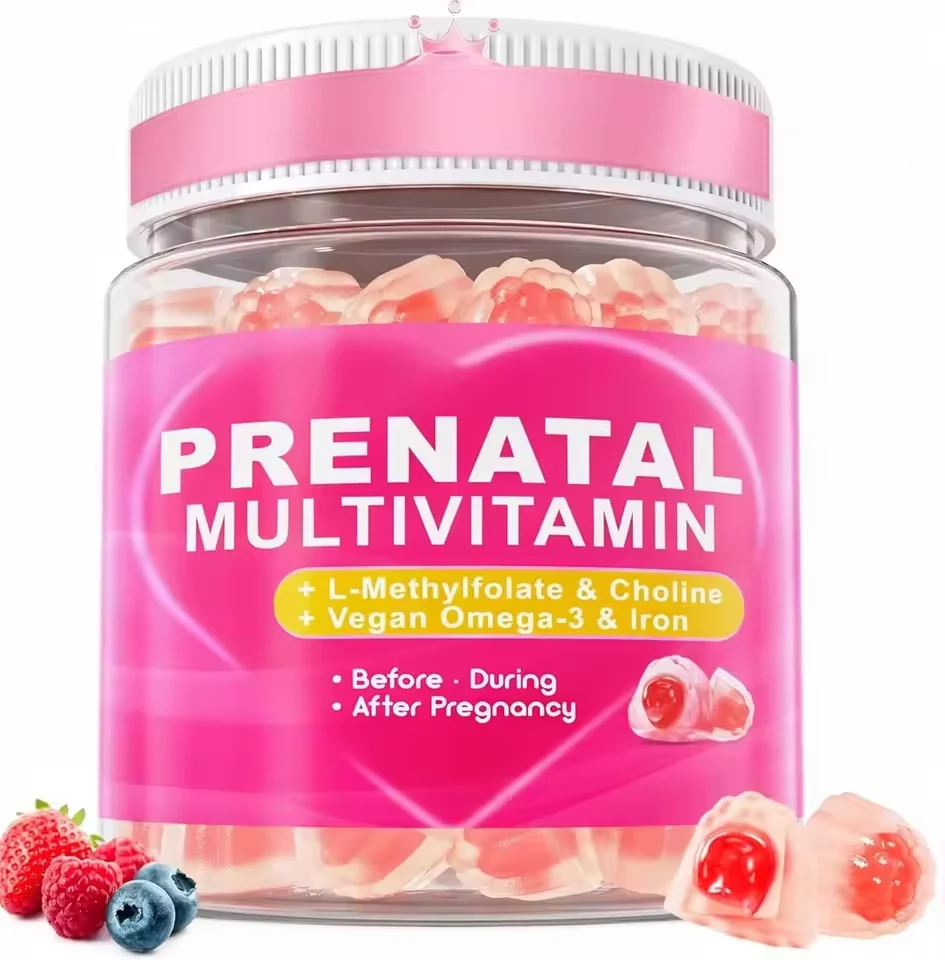
Sensitive Audiences Need Clearer Decisions
Serving design, ingredient levels, warnings and claims require careful market-specific review when products are intended for defined life stages.
4. Choose a Format Consumers Can Use
Gummies can support a pleasant daily routine but may limit active load and require careful flavor and moisture control. Tablets and capsules can carry different ingredient profiles, while powders may deliver larger servings. Softgels suit selected oils and fat-soluble materials. Drops can work for small liquid servings when dosing and stability are controlled.
Consider swallowability, serving count, preparation time, portability and packaging access. For child-oriented products, packaging and directions should be designed to reduce misuse, and the product should never be presented as ordinary candy. The chosen format must fit both consumer behavior and the technical formula.
5. Plan Allergen and Cross-Contact Controls
The product brief should identify excluded allergens and other dietary requirements. The manufacturer then reviews raw-material documentation, facility procedures, scheduling, cleaning and labeling implications. A statement such as “free from” or “suitable for” should be supported by the applicable supply-chain and manufacturing controls.
Allergen expectations can differ between markets, and ingredient carriers or processing aids may introduce information not obvious from the headline ingredient. Maintain an approved bill of materials and document changes so the final label remains aligned with the product actually manufactured.
6. Build Specifications Around the Intended Use
Finished-product criteria can include identity, appearance, unit weight or net quantity, microbiological requirements, ingredient assays and dosage-form performance. The selected tests should reflect the formula, audience, claims and destination requirements. Agree responsibility, methods and acceptance criteria before commercial production.
Stability planning should use the intended packaging and storage conditions. Nutrient levels, flavor, texture, moisture and physical appearance may change over time. If the label carries a shelf-life date, the supporting approach should be documented and revisited when formula or packaging changes materially.
7. Make Directions and Warnings Easy to Use
A compliant label is not enough if consumers cannot understand the serving. State age or audience limits, quantity, frequency, preparation method and relevant warnings clearly. Do not bury essential instructions under promotional copy or use imagery that conflicts with the intended use.
Claims require market-specific review and appropriate support. The U.S. FDA distinguishes structure/function claims from disease claims, while other jurisdictions use different frameworks. The FTC also expects health-related advertising to be truthful, not misleading and substantiated.
Special-Dietary Product Planning Checklist
- Destination market and likely product category are reviewed.
- Intended consumer and excluded consumers are clearly defined.
- Ingredient forms, sources, carriers and supplier documents are approved.
- Dosage form and serving routine are appropriate for the audience.
- Allergen, cross-contact and dietary-positioning expectations are documented.
- Finished-product and stability specifications support the claims.
- Directions, warnings and artwork receive qualified market review.
Special-Dietary Supplement FAQ
Can one formula be used in every market?
Not automatically. Ingredient permissions, levels, categories, warnings, claims and notification procedures can differ, so each destination requires review.
What does a manufacturer need in the first brief?
Provide the intended consumer, market, product category assumption, required and excluded ingredients, dosage form, serving, packaging, quantity and launch timing.
Does a dietary claim depend only on the formula?
No. Ingredient sourcing, carriers, processing aids, facility controls, cross-contact procedures and labeling can all be relevant.
When should regulatory review begin?
Begin during concept and formula planning, then repeat before artwork approval and whenever a meaningful formula, supplier, claim or market change occurs.
Build the Product Around the Consumer, Not the Slogan
Strong special-dietary projects translate consumer needs into controlled ingredient, format, manufacturing and labeling decisions. Hongri Pharma can support OEM/ODM development while brands coordinate the qualified regulatory and clinical review appropriate to their audience and markets.
Authoritative References
Need help with a similar request?
Share your product requirements, timeline and cooperation goals. We can help clarify the next step.