
Softgels are widely used for oils, fat-soluble nutrients and selected liquid or semi-solid fills. Their smooth shape, sealed unit dose and premium appearance can make them attractive for both daily supplements and specialized product lines. Behind that familiar format is a coordinated development process involving the fill, shell, capsule size, drying behavior and protective packaging.
A private label project becomes easier to control when the buyer defines the desired serving, market, ingredient story and pack format before requesting samples. This guide outlines the practical decisions that influence softgel feasibility, manufacturing, quality review and launch planning.

1. Define the Fill and Daily Serving
Begin with the amount of each active ingredient needed per daily serving. Then determine whether that load is best delivered in one softgel or divided across multiple units. Highly concentrated fills can reduce capsule count, but concentration, viscosity, solubility and ingredient compatibility may limit what can be achieved.
The carrier system should support uniformity and acceptable processing. Oils, suspensions and semi-solid systems behave differently during preparation and encapsulation. If ingredients settle, crystallize or react with one another, the fill may need reformulation before capsule size or shell color is finalized.
2. Match the Shell to the Product Brief
A conventional softgel shell commonly uses gelatin together with water and a plasticizing component. Alternative shell systems may be considered for vegetarian positioning or other market requirements, but they have their own processing and stability characteristics. “Plant-based” should therefore be treated as a technical specification, not only a marketing phrase.
Shell color and opacity can support brand identity and help manage light exposure. Clear shells showcase the fill, while opaque or colored shells can create a more distinctive appearance. Any colorant selection and claim language should be checked for the destination market.
3. Select a Consumer-Friendly Capsule Size
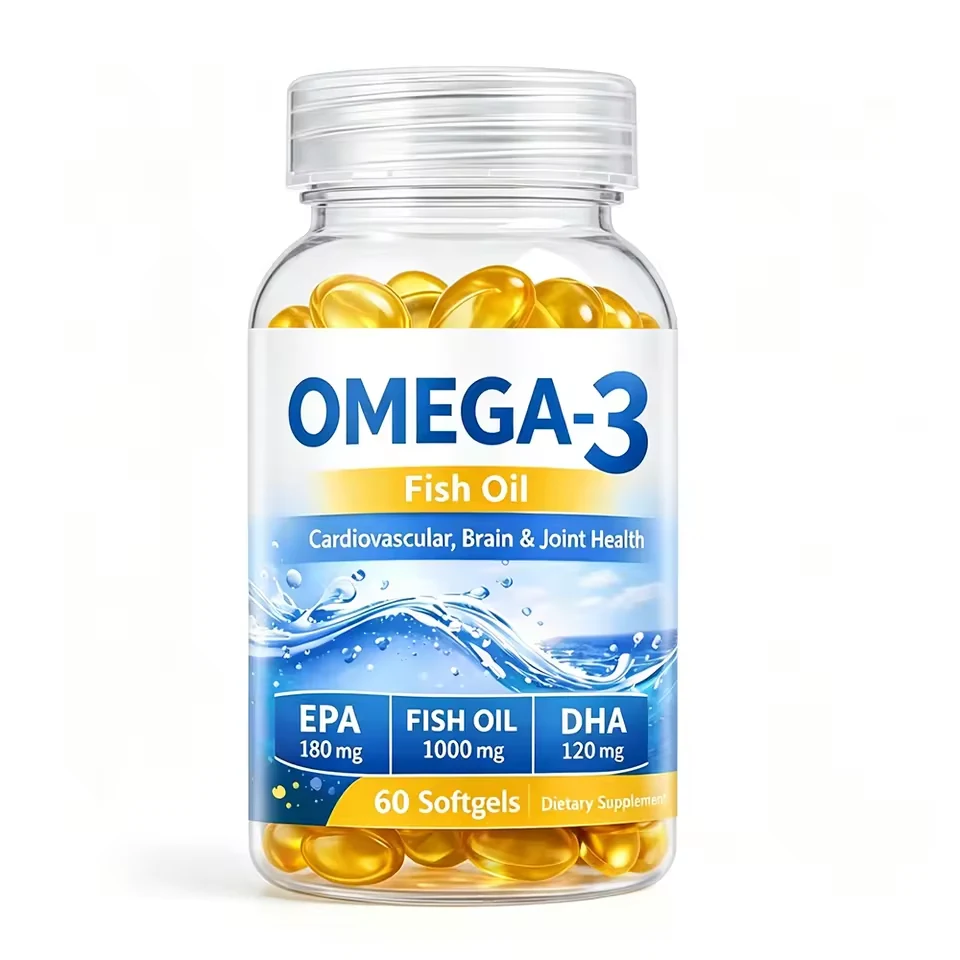
Capsule size depends on fill volume, density, shape and tooling. A product may look elegant in a large oblong softgel but feel difficult for some consumers to swallow. Splitting the serving across two smaller capsules can improve usability, although it changes unit count, packaging capacity and cost.
Sampling should compare the full experience: appearance, seam quality, odor, swallowability and serving routine. Keep the approved physical reference together with the written specification so later commercial batches are evaluated against the same target.
Size, Shape and Serving Work Together
Evaluate the consumer’s daily routine as well as fill capacity. Capsule dimensions influence unit count, bottle selection and perceived quality.
4. Prepare and Encapsulate the Fill
Approved raw materials are identified, weighed and processed according to the batch instructions. The fill is mixed under conditions suited to the ingredients, while the shell mass is prepared separately. During encapsulation, the fill is metered between formed ribbons and sealed into individual softgels.
In-process controls can include fill weight, total capsule weight, seam condition, dimensions and visual appearance. Settings are adjusted within the approved manufacturing range, and observations are recorded. The objective is not simply to produce intact capsules, but to maintain consistent units across the batch.
5. Dry, Sort and Inspect
Freshly formed softgels contain more moisture and require controlled drying. Time and environmental conditions vary with shell system, fill and capsule size. Drying too little can leave capsules overly soft; inappropriate conditions can also affect brittleness, shape or appearance.
After drying, capsules are sorted and inspected for defects such as leaks, malformed units, surface damage or unacceptable seams. The accepted capsules then move to counting and packaging under controlled line procedures. Buyers should ask how visual standards and rejection criteria are documented.
6. Build a Relevant Testing Plan
Specifications may address identity, appearance, average weight, fill weight, disintegration or rupture behavior, ingredient assays, microbiological criteria and other product-specific attributes. Oxidation-related testing can be relevant for sensitive oils. The required panel depends on the formula, claims, destination market and agreed risk assessment.
Clarify which tests are performed during development, which are required for release and which are part of ongoing stability work. Documentation should identify methods, acceptance criteria and the responsible laboratory. FDA dietary supplement CGMP requirements for the U.S. market emphasize specifications, production controls, quality operations and records rather than relying on a single certificate.
7. Protect Softgels During Storage and Shipping
Heat can soften capsules or affect the fill, while low humidity may increase brittleness in some shell systems. Oxygen and light can matter for sensitive oils or nutrients. Bottle material, closure, induction seal, desiccant or oxygen-management options and secondary cartons should be evaluated in relation to the formula.
Shipping routes and seasons deserve attention, especially for long export journeys. Specify storage recommendations and discuss pallet, case and container conditions before dispatch. A good packaging plan protects not only the unopened bottle but also the product during normal consumer use after opening.
8. Coordinate Labeling and Claims
The label should accurately identify the ingredients, serving size, net quantity, directions, warnings and responsible business information required for the destination. Claims relating to source, vegetarian suitability, purity or health effects need appropriate support and consistent product specifications.
Market rules are not interchangeable. Arrange a destination-specific regulatory review and keep final artwork under version control. Any changes to ingredient suppliers, shell components, serving size or claims should trigger a documented assessment before the next production run.
Buyer Checklist for a Softgel Project
- Daily active amount and number of capsules per serving are defined.
- Fill system, concentration and physical stability are reviewed.
- Shell material, color, opacity, size and shape are approved.
- Release and stability specifications match the formula risk profile.
- Bottle capacity, seal, closure and protection strategy are confirmed.
- Shipping conditions account for temperature and route duration.
- Label claims and allergen or dietary statements are market-reviewed.
Softgel Manufacturing FAQ
What ingredients are suitable for softgels?
Softgels commonly suit oils and selected liquid or suspended fills. Feasibility depends on solubility, viscosity, dose, stability and compatibility with the shell system.
Can softgels use a non-gelatin shell?
Alternative shell systems may be available. They require separate technical review because processing, moisture behavior, appearance and market claims can differ from conventional gelatin shells.
Why do softgels need drying?
The newly formed shell contains moisture. Controlled drying helps the capsule reach the specified physical condition before sorting and packaging.
How should softgels be packaged for export?
Packaging and shipping plans should consider heat, humidity, oxygen, light, transit duration and normal use after opening. The correct solution depends on the specific fill and shell.
Turn a Softgel Concept into a Controlled Specification
A reliable softgel project aligns the active dose, fill system, shell, capsule size, testing plan and packaging before mass production. Hongri Pharma supports private label softgel development across formula review, sampling, encapsulation, packing and export coordination.
Authoritative Reference
Need help with a similar request?
Share your product requirements, timeline and cooperation goals. We can help clarify the next step.