
Introduction
Launching a private label supplement is a coordinated product-development project, not simply a request to place a logo on a bottle. The formula, dosage form, serving size, packaging, label copy, quality specification, order volume and destination market all affect the route from concept to finished goods.
A well-managed project turns commercial goals into an approved technical specification before mass production begins. This guide explains the major stages, the decisions a buyer should prepare, and the documents that keep an OEM/ODM project clear as it moves toward launch.
1. Build a Commercially Useful Product Brief
The first brief does not need to contain a laboratory-ready formula, but it should be specific enough for a manufacturer to evaluate feasibility. Identify the target consumer, sales market, desired benefits and product format. Add the ingredients you consider essential, the preferred serving size, dietary requirements, flavor direction and target retail position.
Commercial information is equally important. State whether you expect bottles, tubes, pouches, stick packs or cartons; how many units you expect in the first order; and when you intend to launch. A manufacturer can then flag conflicts early—for example, an ingredient load that is difficult to fit into a small tablet, or packaging whose printed-component minimum is higher than the intended production run.
- Target market and labeling language
- Dosage form and intended serving
- Key ingredients and excluded ingredients
- Flavor, color or dietary requirements
- Pack format, unit count and estimated quantity
- Target sample date and commercial launch window
2. Choose the Right Development Route
Private label projects can follow different routes. A stock or established formula may reduce development work and simplify sampling, while a customized formula gives the brand more control over ingredient selection, serving design and market positioning. A fully bespoke formula usually requires more review because ingredient compatibility, flavor, processing limits and stability must be considered together.
The best route depends on what creates value for the brand. If speed and a modest opening order are priorities, an established base formula with customized packaging may be appropriate. If the brand needs a distinct ingredient story or serving profile, additional formulation and sampling work can be worthwhile.
Confirm market, product concept, dosage form, volume and packaging direction.
Evaluate ingredients, serving design, processing feasibility and target specification.
Prepare samples, collect structured feedback and document revisions.
Freeze formula, sensory profile, packaging and acceptance criteria.
Arrange approved ingredients and packaging components against the production plan.
Run controlled production with in-process checks and traceable records.
Review finished-product results and documentation before shipment.
Pack for transport, coordinate export documents and confirm receiving conditions.
3. Turn the Sample into a Written Specification
A sample is valuable only when the approved characteristics are translated into written requirements. Feedback such as “make it better” is difficult to reproduce. Useful feedback describes the needed change: less sweetness, a firmer texture, a smaller tablet, a different capsule color or a more soluble powder.
Before production, confirm the formula version, ingredient quantities or ranges, appearance, flavor, unit weight, serving size and packaging configuration. Also agree which finished-product tests and acceptance criteria apply. The written specification becomes the shared reference for purchasing, production, quality review and future repeat orders.

Sampling Is a Decision Stage
Use samples to confirm product direction and manufacturing feasibility. Record each approved revision so commercial production is based on a controlled version.
4. Coordinate Raw Materials and Packaging
Once the specification is approved, the project moves into material preparation. Ingredient availability, supplier lead times, packaging molds, printing plates, label proofs and carton artwork can all influence the schedule. Buyers should ask which components are standard and which must be made specifically for the project.
Packaging is not a final decoration step. It protects the product and affects filling, sealing, storage, shipping and consumer use. A moisture-sensitive effervescent tablet may need a different container strategy from an oil-filled softgel or a single-serve powder. The packaging brief should therefore be reviewed alongside the formula, not after production has already been planned.
5. Manufacture with Defined In-Process Controls
Commercial production follows the approved manufacturing instructions for the chosen dosage form. The exact equipment and parameters differ between gummies, tablets, capsules, softgels, powders and liquids, but the management principle is consistent: materials are identified and weighed, processing steps are recorded, critical parameters are monitored, and deviations are evaluated.
For buyers, the useful question is not merely whether a factory has equipment. Ask how it controls batch identity, weighing, line clearance, process settings, intermediate checks and packaging reconciliation. FDA’s dietary supplement CGMP guidance describes the role of manufacturing, packaging, labeling, holding and recordkeeping controls under 21 CFR Part 111 for products supplied to the United States.

Production and Quality Review Work Together
In-process observations help confirm that the batch is following its approved route. Finished-product review then checks the agreed specification and release requirements.
6. Review Finished Goods Before Release
Finished-product review should be planned rather than improvised. The required checks depend on the formula, dosage form, risk profile and destination market. They may include appearance, count or net quantity, unit-weight variation, moisture-related properties, microbiological criteria, ingredient assays or other specification-specific tests.
Clarify which work is performed internally, which work is assigned to an external laboratory, what documents will accompany the shipment and who authorizes release. A brand should also retain its own approved artwork, product specification and purchase records so later repeat orders can be compared against the same baseline.
7. Prepare Labeling and Claims for the Destination Market
Labels combine product identity, net contents, ingredient information, serving directions, warnings, business details and marketing claims. Requirements differ by destination, so a label prepared for one market should not automatically be reused in another. For the United States, the FDA Dietary Supplement Labeling Guide is a useful official starting point; European food supplements are governed through a different framework that includes Directive 2002/46/EC and country-level implementation.
The manufacturer can supply specifications and production information, but the brand remains responsible for obtaining appropriate market-specific regulatory review. Avoid disease-treatment language or promises that cannot be supported. FDA and FTC guidance both emphasize that health-related claims should be truthful, not misleading and appropriately substantiated.
8. Plan Delivery, Reorders and Scale-Up
Before shipment, confirm case quantity, pallet configuration, storage instructions, export paperwork and the party responsible for freight arrangements. Products may experience temperature and humidity changes in transit, so route and season should be considered when selecting packaging and shipping conditions.
A successful first order should also create a repeatable reorder process. Record the approved formula, material codes, artwork versions, test requirements and lead-time assumptions. When demand increases, review which ingredients or packaging components have longer procurement cycles and whether larger production runs change testing, warehousing or freight requirements.
One Manufacturing Process, Multiple Product Formats
The project framework stays consistent while formulation, processing and packaging are adapted to each dosage form.
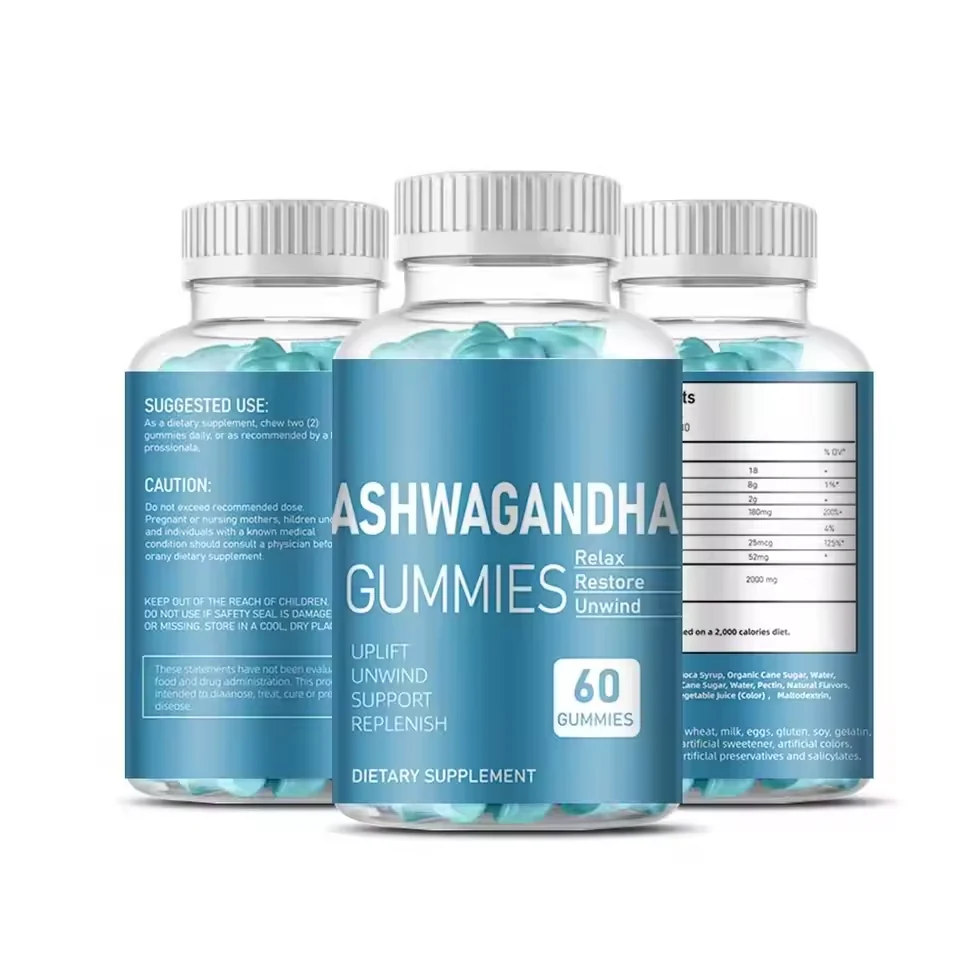
Functional Gummies
Flavor, gelling system, active load, moisture and packaging must be considered together.
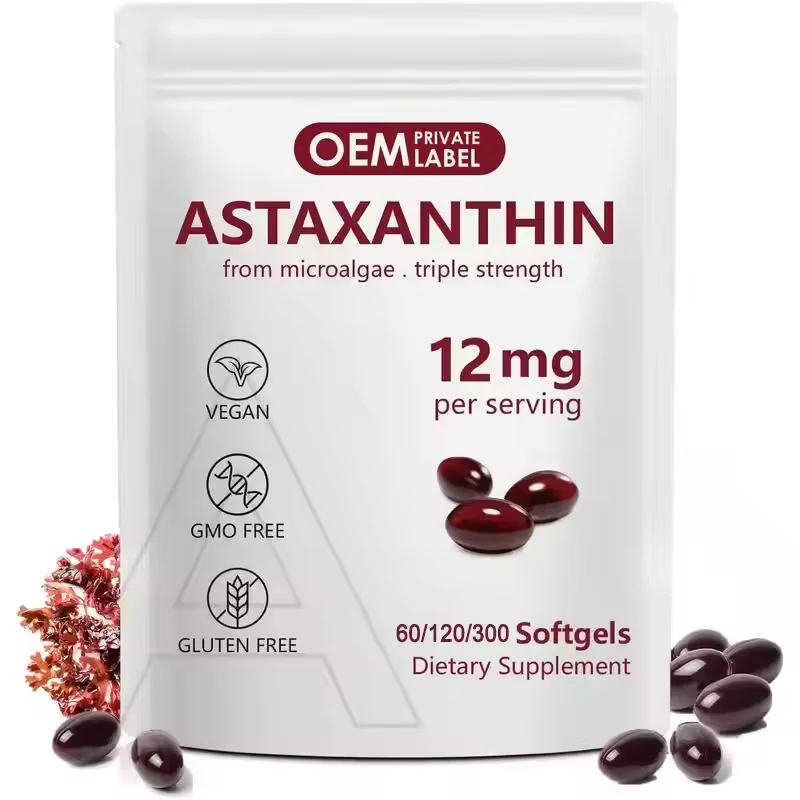
Softgel Capsules
Fill material, carrier oil, shell, capsule size and bottle presentation shape the project.
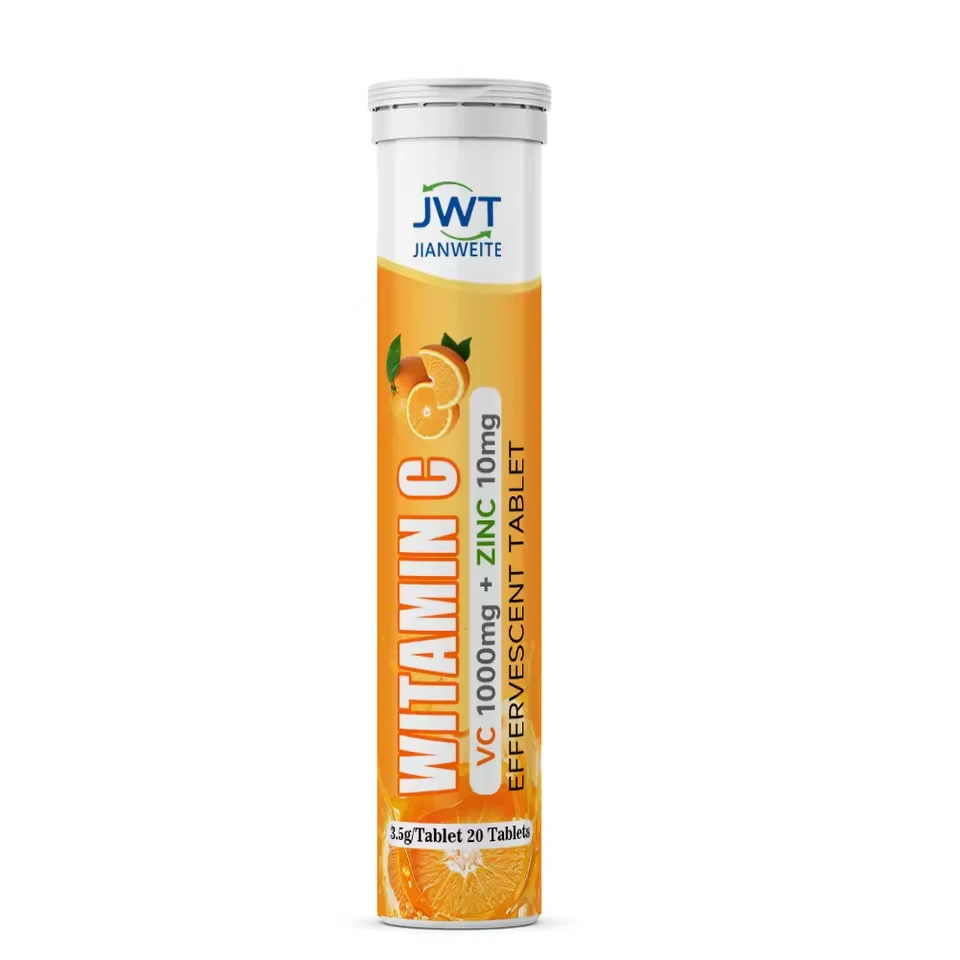
Effervescent Tablets
Dissolution, flavor, moisture protection, tube selection and tablet count are connected decisions.
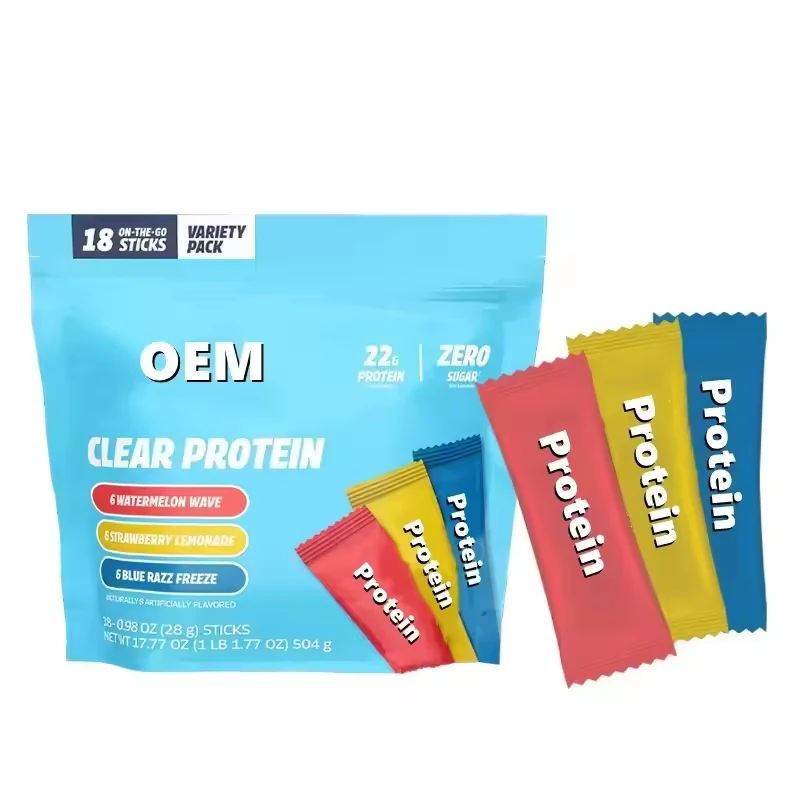
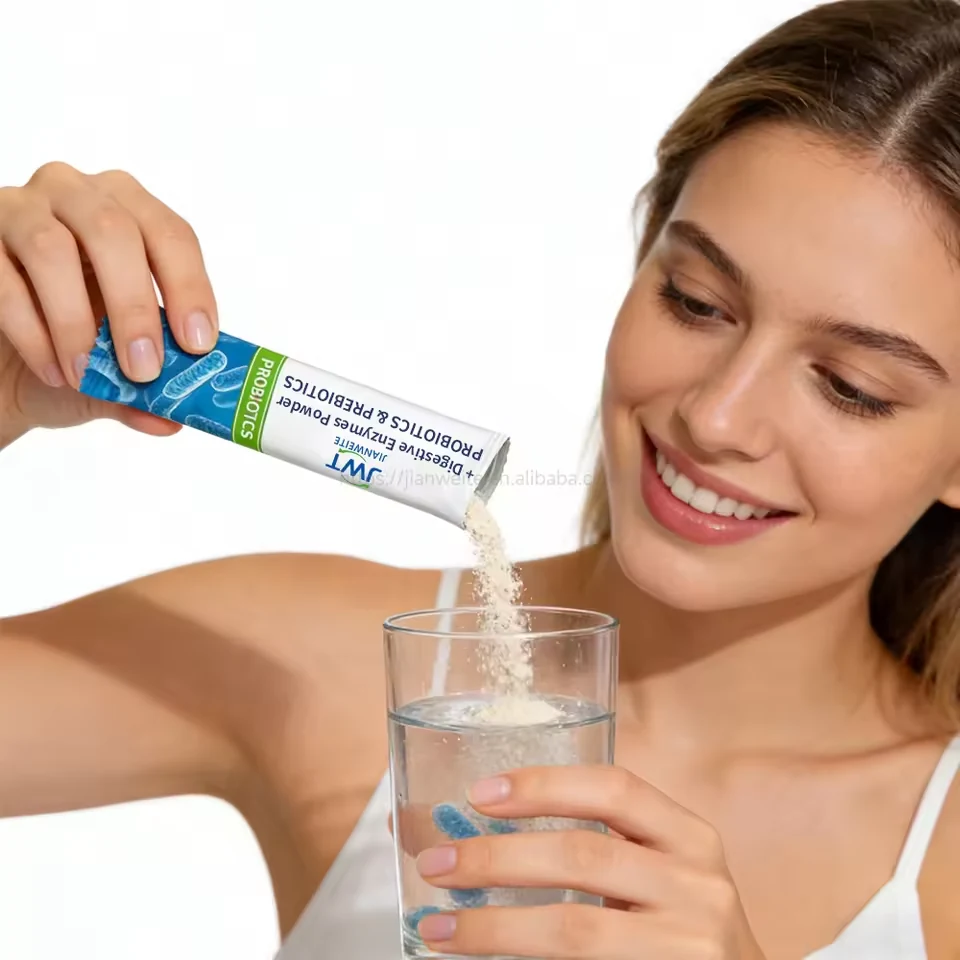
Powders and Stick Packs
Serving weight, dispersibility, flavor, sachet structure and secondary packaging require coordination.
Buyer Checklist Before Production
- The product brief identifies the market, consumer, dosage form and packaging.
- The approved sample and formula version are documented.
- The finished-product specification and testing responsibilities are agreed.
- Label artwork has completed the required regulatory and technical review.
- Packaging components, print proofs and case configuration are approved.
- Commercial terms identify included testing, components, freight and change costs.
- The production, release and delivery milestones have responsible owners.
Private Label Manufacturing FAQ
How long does a private label supplement project take?
Timing depends on formula complexity, sampling rounds, ingredient sourcing, packaging production, testing and production scheduling. A useful quotation separates these stages instead of promising one universal lead time.
Can I start with an existing formula?
Often yes. An established formula may reduce development work, while packaging, flavor, count or other permitted elements can still be adapted. Available options depend on the selected dosage form and market.
Who approves the final label?
The manufacturer can provide technical product information, but the brand should arrange appropriate regulatory review for every destination market and approve the final artwork before printing.
What should be retained for repeat orders?
Keep the approved formula or specification, sample reference, artwork files, packaging configuration, testing plan, batch documents and agreed change history.
Move from Concept to a Controlled Project
The strongest private label launches are built on clear decisions, not rushed assumptions. Define the product, select the appropriate development route, approve the sample and specification, coordinate packaging early, and maintain a documented handoff from production through delivery.
Hongri Pharma supports multiple supplement formats through an OEM/ODM workflow. Review the OEM/ODM service process or share your product brief with our team to discuss a suitable next step.
Authoritative References
Need help with a similar request?
Share your product requirements, timeline and cooperation goals. We can help clarify the next step.