
Introduction
The dosage form shapes almost every part of a supplement product: which ingredients fit, how the serving is consumed, what the package looks like, how the formula is manufactured and what customers expect to pay. Choosing between gummies, tablets, softgels and powders should therefore happen before the label design—not after.
There is no universally superior format. A gummy may create an approachable daily ritual, a tablet can deliver a compact and familiar serving, a softgel is suited to many oil-based ingredients, and a powder can accommodate a larger serving. The best choice is the one that aligns formula feasibility with the consumer and business model.

Four Core Supplement Formats
Each format solves a different combination of formulation, serving and market needs.
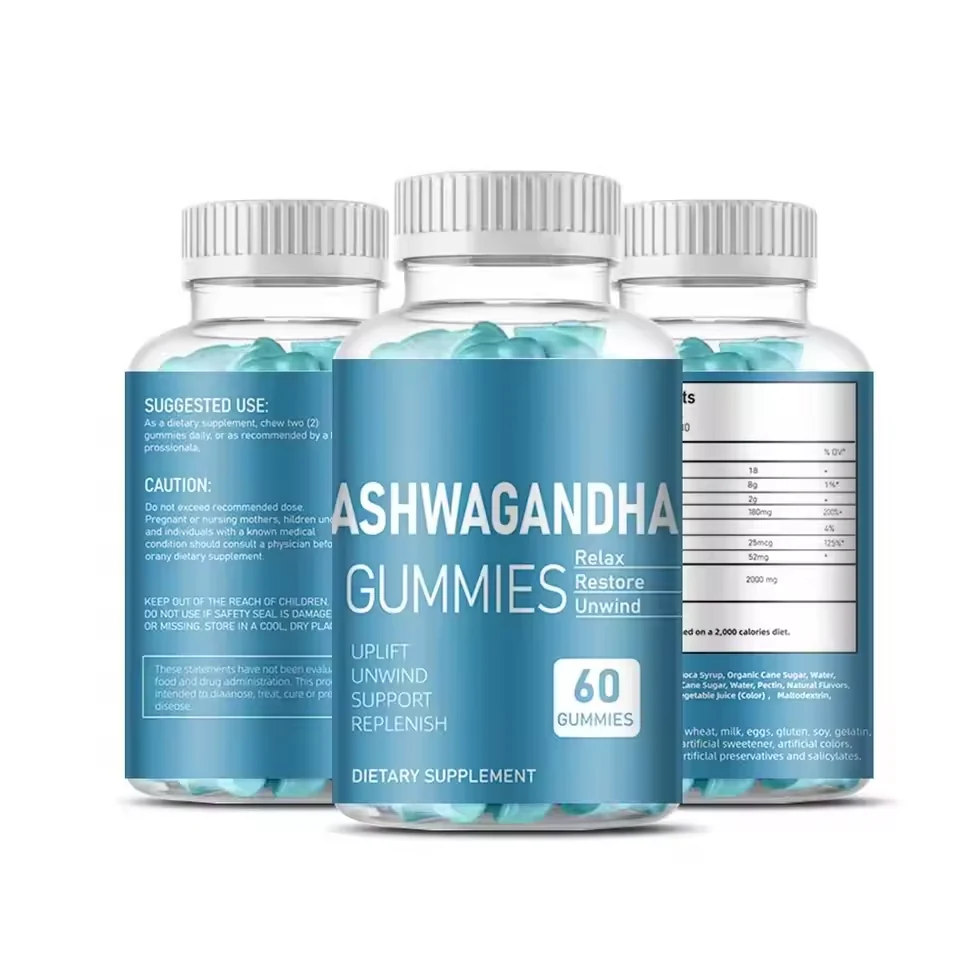
Gummies
A chewable, flavor-led format with strong visual customization and convenient bottle packaging.
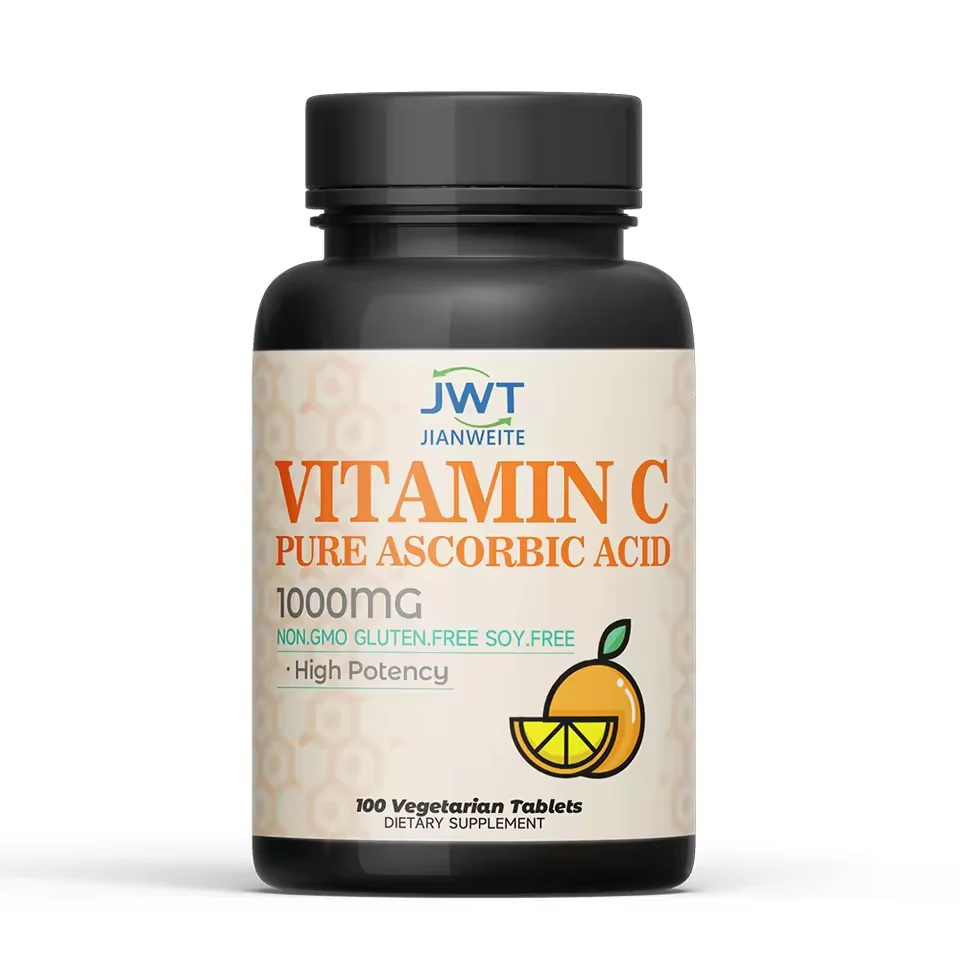
Tablets
A compact format that can support defined shapes, coatings, strengths and bottle counts.
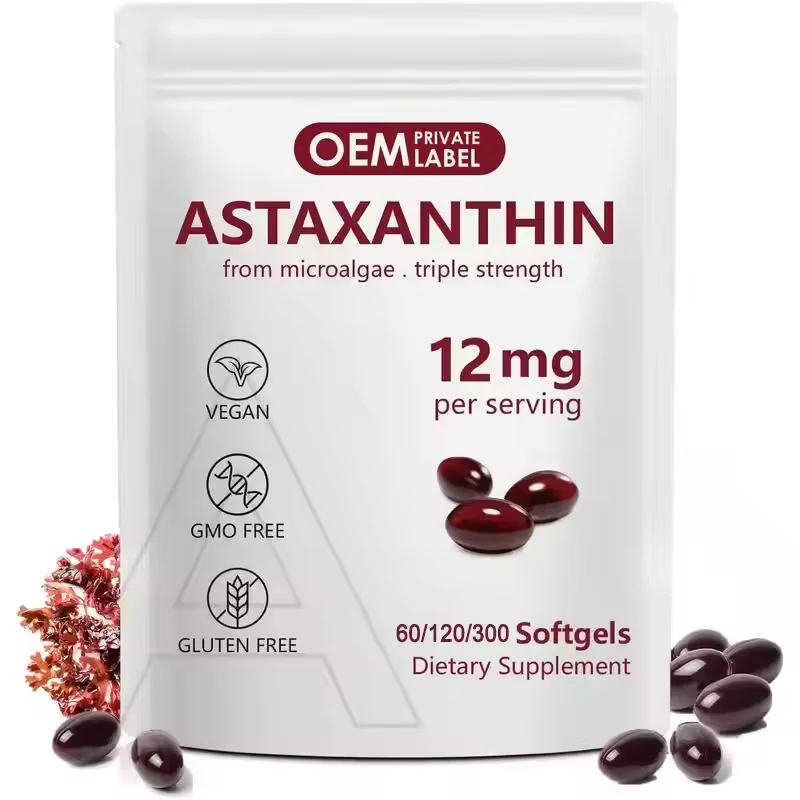
Softgels
A smooth capsule format frequently considered for oils and lipid-based fills.
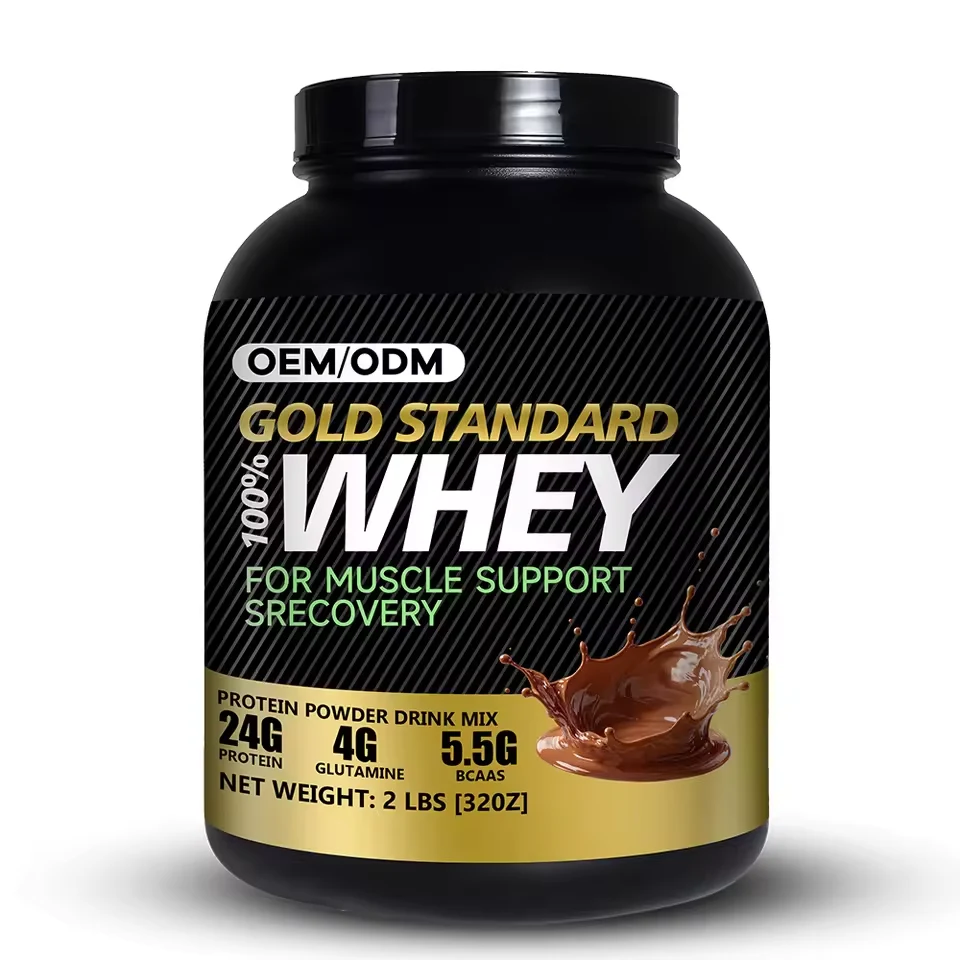
Powders
A flexible route for larger servings, drink preparation, jars, pouches and stick packs.
Quick Comparison
| Decision Factor | Gummies | Tablets | Softgels | Powders |
|---|---|---|---|---|
| Consumer experience | Chewable and flavor-driven | Compact and familiar | Smooth, easy-to-swallow shell | Mixed into water or another beverage |
| Serving capacity | Limited by gummy size and texture | Moderate; multiple tablets possible | Defined by shell size and fill | Best suited to larger gram-level servings |
| Formula fit | Taste and process compatibility are critical | Compression and disintegration matter | Strong fit for many oil-based fills | Useful for proteins, amino acids and drink systems |
| Customization | Shape, color, flavor and coating | Shape, size, coating and color | Size, shell color and fill appearance | Flavor, serving size and pack format |
| Packaging | Bottles or pouches | Bottles, blisters or tubes | Bottles and blisters | Jars, pouches or stick packs |
Start with the Formula, Not the Trend
A format should be technically compatible with the ingredients and intended amount per serving. Large gram-level servings are difficult to place into one small gummy, tablet or softgel, while a powder can distribute the serving across a scoop or sachet. Conversely, a small oil-based serving may be more naturally presented in a softgel than in a large drink powder.
Ingredient behavior matters as much as quantity. Some materials bring strong taste, acidity, color or odor. Others are sensitive to moisture, heat or oxygen. A manufacturer should review the complete formula because interactions can change processing, appearance, sensory quality and stability.
When Gummies Make Sense
Gummies are attractive when consumer experience and visual differentiation are central to the concept. Flavor, color, shape, texture and bottle presentation can all support brand identity. They are commonly considered for daily wellness, children’s ranges and products aimed at consumers who do not prefer traditional pills.
The trade-off is formulation space. Active ingredients must coexist with the gelling and sweetening system, and unpleasant flavors may require careful masking. Moisture and texture also need attention during storage. A brand should confirm the realistic amount per gummy, number of gummies per serving and whether the preferred pectin or gelatin system fits the target market.
Explore examples such as Ashwagandha Gummies and Creatine Monohydrate Gummies.
When Tablets Make Sense
Tablets offer a familiar, compact presentation and can be produced in different sizes, shapes and coating styles. They may be appropriate when the formula is suitable for compression and the serving can be delivered in a practical number of tablets. Bottle counts are easy to understand, and effervescent tablets add a beverage-like usage occasion.
Tablet development considers powder flow, compressibility, hardness, friability and disintegration, among other specification needs. Very large tablets can be difficult for consumers, while multiple-tablet servings may affect adherence. Coatings can influence appearance, swallowability and processing complexity.
Hongri Pharma’s tablet range includes Vitamin C Tablets and Multivitamin Effervescent Tablets.
When Softgels Make Sense
Softgels are often evaluated for oils and other fills that benefit from an enclosed, smooth shell. The format provides a polished appearance and can help present ingredients such as fish oil, botanical oils, CoQ10 or astaxanthin in a consumer-familiar form.
Key choices include the fill system, carrier oil, softgel size, shape, shell material, color and opacity. The fill and shell must be compatible, and the intended serving should remain comfortable to swallow. Bottle count, light exposure and storage conditions also influence packaging selection.
Relevant examples include Omega-3 Fish Oil Softgels, CoQ10 Ubiquinol Softgels and Astaxanthin Softgels.
When Powders Make Sense
Powders are particularly useful when the intended serving is measured in grams rather than milligrams. Protein, creatine, electrolyte, collagen, greens and meal-support concepts can be delivered in jars, pouches or individual stick packs. The format also creates an opportunity to design flavor and beverage experience.
Powder development considers ingredient density, flow, blend uniformity, dispersibility, flavor, sweetness and serving instructions. Packaging changes the commercial proposition: a jar supports repeated at-home use, while stick packs add portability and portion control but introduce film, filling and carton requirements.
Examples include Creatine Monohydrate Powder, Marine Collagen Powder and Electrolyte Powder Stick Packs.
Consumer Experience and Use Occasion
Think about where and when the product will be used. Gummies and bottled tablets are convenient for a simple daily routine. Softgels communicate a traditional premium-supplement experience. Powders create a preparation ritual and can integrate with training, hydration or morning beverage habits. Stick packs add portability, while large jars can signal value and performance.
The intended consumer also affects practical details. A children’s product requires special attention to serving directions, supervision, ingredient suitability and claims. A sports product may prioritize larger servings and strong flavor. A travel-focused product may benefit from compact, sealed portions.
Packaging, Logistics and Shelf Presentation
Dosage form and packaging should be developed together. Gummies may require moisture management. Effervescent tablets often depend on moisture-protective tubes. Softgels can be influenced by heat and light. Powders need barriers and closures appropriate to their environment, especially when repeated opening introduces humidity.
Compare retail presentation and shipping efficiency as well. Glass can communicate premium quality but adds weight and breakage risk. Large jars provide label space but use more carton volume. Stick packs are compact individually but require secondary packaging and more individual seals.

Format Creates the Use Experience
A portable stick pack is not just a packaging choice. It defines portion size, preparation method, mobility and the way consumers interact with the product.
A Practical Decision Sequence
Confirm the Market
Identify destination, consumer, channel, labeling language and acceptable ingredient forms.
Set the Intended Serving
Define active amounts and how many pieces, capsules or scoops the consumer will take.
Review Technical Fit
Evaluate taste, solubility, compressibility, oil compatibility, heat and moisture sensitivity.
Choose the Experience
Decide whether the brand needs chewability, swallowability, beverage preparation or portability.
Model the Commercials
Compare MOQ, packaging components, unit count, freight volume and likely retail price.
Sample Before Commitment
Evaluate the actual size, flavor, texture, appearance and preparation method before production.
Can a Brand Use More Than One Format?
Yes, but each format should have a clear role. A brand might offer creatine as a high-serving powder and a convenience-led gummy, or provide electrolytes as both tablets and stick packs. The products should not be treated as simple copies because serving design, claims, packaging and consumer expectations differ.
For a new brand, one focused format is often easier to launch and learn from. Additional formats can follow when sales data shows a genuine consumer need rather than an assumption that more SKUs automatically create more demand.
Supplement Format FAQ
Which supplement format supports the largest serving?
Powders are generally the most practical for gram-level servings, although the best format still depends on ingredient behavior, preparation and consumer expectations.
Are gummies easier to customize than tablets?
Gummies offer visible shape, color, flavor and texture choices, while tablets offer their own options in shape, coating, color and strength. Feasibility depends on the formula.
Are softgels only for fish oil?
No. Softgels can be considered for many oil-based or compatible fill systems, including botanical oils and other lipid-based ingredients.
Can the same formula be moved from one format to another?
Not automatically. The serving size, excipients, processing behavior, sensory profile and stability may need to be redesigned for the new dosage form.
Should packaging be selected after the formula is complete?
Packaging should be reviewed during development because the dosage form and product sensitivities influence container, barrier, closure and transport needs.
Choose the Format That Supports the Whole Product
The right dosage form connects four realities: the ingredient system, the serving, the consumer experience and the commercial plan. A visually fashionable format can fail if it cannot carry the intended dose or remain stable; a technically efficient format can fail if consumers do not want to use it.
Hongri Pharma manufactures multiple supplement formats, allowing buyers to compare options within one OEM/ODM workflow. Browse the product portfolio or discuss your formula and target market with our team.
Need help with a similar request?
Share your product requirements, timeline and cooperation goals. We can help clarify the next step.