
Introduction
Packaging for an export supplement project has three jobs: protect the formula, communicate the product correctly and survive the route to the customer. A bottle, tube, stick pack or carton that looks attractive in a rendering may still fail if it does not suit the dosage form, filling line, label copy, pallet plan or destination climate.
Private label buyers can avoid late-stage cost and schedule problems by developing packaging alongside the formula. This guide compares common formats and explains the approvals, testing, artwork and logistics decisions that belong in a complete packaging brief.

1. Start with the Product Risk Profile
The dosage form and formula determine the first packaging questions. Effervescent tablets are highly sensitive to moisture. Oils and selected nutrients may need protection from oxygen or light. Gummies can change texture in heat or humidity. Powders may cake, while softgels can soften or become brittle under unfavorable conditions.
Document the relevant risks before comparing container prices. Include intended shelf life, storage statement, consumer opening pattern and export route. Packaging can then be evaluated against the actual product rather than selected from a generic catalog.
2. Bottles for Tablets, Capsules, Gummies and Softgels
Bottles offer flexible counts, familiar retail presentation and efficient automated filling. Decisions include material, color, neck finish, closure, liner, induction seal, desiccant or oxygen-management option, label dimensions and headspace. Bottle capacity should be checked using the final unit dimensions and count, not estimated from another product.
The closure must support the consumer experience as well as protection. Child-resistant or senior-friendly needs, tamper evidence and repeated opening can affect the selection. For transparent bottles, consider whether light exposure or visible settling will influence product quality or perception.
3. Tubes and Blisters for Effervescent Tablets
Effervescent tubes combine dispensing convenience with a compact moisture-management system. Tablet diameter, thickness, count, closure fit and internal space need to be coordinated. Printed tubes provide a premium appearance, while labeled standard tubes may offer a different minimum and lead time.
Blisters can protect individual tablets until use and create clear dose separation. Their material structure, cavity size, lidding, carton and equipment compatibility must be reviewed. The right choice depends on product sensitivity, consumer routine, retail presentation and order economics.
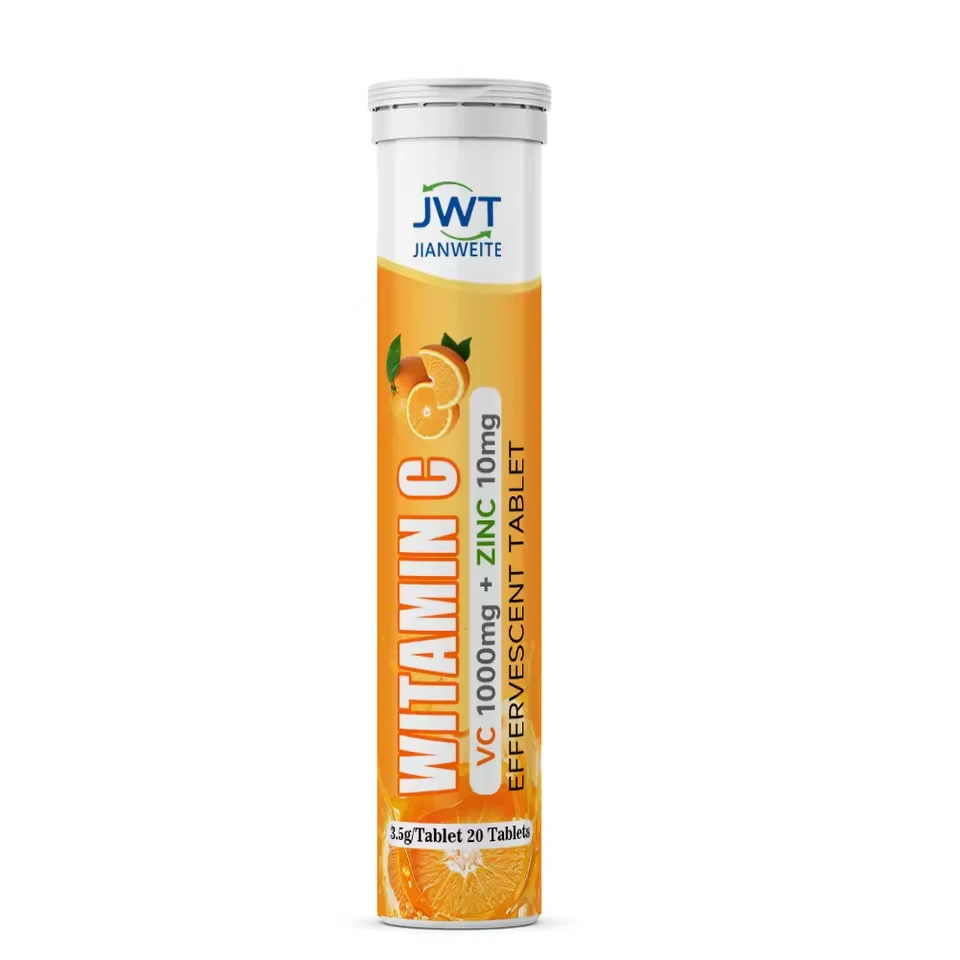
Primary and Secondary Packs Must Fit Together
Tablet count, tube dimensions, label area, carton construction and case packing should be approved as one coordinated system.
4. Stick Packs and Sachets for Powders
Flexible single-serve packs protect each portion until opening and are convenient for travel. Serving weight and powder density influence pack dimensions. Film structure is selected in relation to moisture, oxygen, light, sealing behavior and print requirements.
Stick packs use a narrow format, while sachets provide more width for larger fills or different graphics. Confirm tear behavior, opening direction, coding area and how the powder pours. Secondary cartons or display boxes must hold the correct quantity without crushing or excessive movement.
5. Tubs and Pouches for Multi-Serving Powders
Tubs support scoops and a familiar sports-nutrition presentation. Pouches reduce rigid-pack weight and can improve shipping efficiency. Both formats need enough protection after repeated opening. Closure quality, seal integrity, scoop or measuring method, fill level and label or print area affect consumer use.
Do not assume the nominal container volume equals the usable powder fill. Bulk density and settling affect headspace. A packaging trial using the approved powder helps confirm net weight, presentation and line performance before custom components are ordered.
6. Use Cartons for More Than Decoration
A carton can provide protection, tamper evidence, instructions, multilingual copy and stronger shelf presence. It also adds material, assembly time, freight volume and another print component to manage. Use cartons when they solve a clear product or commercial need.
Dielines should be based on approved primary-pack dimensions. Barcodes, batch coding, expiry or best-before areas, seals and regulatory copy need dedicated space. Final proofs should be reviewed for both wording and physical placement before print release.
7. Control Artwork and Component Versions
Packaging errors often come from version confusion rather than design quality. Maintain an approved-artwork register that connects each product, market, language and component to a controlled file. Record who reviewed technical information, regulatory text and print production details.
Color proofs, material samples and pre-production prints may be required depending on the component. A visual approval does not replace verification of dimensions, barcode readability, text accuracy and compatibility with the filling line.
8. Prepare Cases, Pallets and Export Documents
Secondary cases should protect units during stacking and handling. Confirm units per case, gross weight, case markings, pallet pattern, maximum stack height and stretch-wrap or corner protection. The freight method and warehouse equipment can influence practical limits.
Export coordination may require commercial documents, packing details, product information and market-specific certificates. Clarify responsibilities before production finishes. Seasonal heat, humidity and time at ports should be considered when planning the route and container loading.
Export Packaging Approval Checklist
- Product sensitivity and intended storage conditions are documented.
- Primary pack, closure, seal and protective components are approved.
- Container capacity is verified with the actual product and count.
- Artwork files match the formula, market, language and component dimensions.
- Printed-component minimums and lead times are included in the order plan.
- Case quantity, pallet pattern and shipping marks are confirmed.
- Transport conditions and export-document responsibilities are assigned.
Supplement Packaging FAQ
Which packaging format is best for supplements?
There is no universal best format. The decision depends on dosage form, formula sensitivity, serving, consumer use, market requirements, order volume and shipping route.
Why can packaging MOQ exceed product MOQ?
Custom containers, printed film, tubes and cartons are supplied through separate production processes that can have their own minimum runs.
When should artwork be approved?
After formula, serving, required copy and component dimensions are confirmed, and before printing. Every final file should have controlled approval.
Should export climate affect packaging?
Yes. Heat, humidity, light exposure, transit duration and warehouse conditions can influence the required barrier and shipping protection.
Approve the Complete Packed Unit
A launch-ready package is a controlled system, not a collection of separate components. Hongri Pharma can coordinate dosage-form manufacturing with bottles, tubes, stick packs, pouches, cartons and delivery planning so buyers can review the finished unit against one product brief.
Need help with a similar request?
Share your product requirements, timeline and cooperation goals. We can help clarify the next step.