
Introduction
Functional beverage brands can begin with several manufacturing formats: powdered drink mixes, concentrated drops and instant latte-style blends are among the most flexible. Each creates a different consumer routine, shipping profile, ingredient opportunity and packaging requirement. Choosing the right format early prevents the project from becoming a collection of attractive ideas that cannot share one practical specification.
This guide focuses on the decisions private label buyers should make before sampling and production. It covers format selection, flavor, serving design, processing, packaging, testing and market review without treating every beverage concept as technically interchangeable.

1. Select the Format Around the Consumer
A powder can carry a larger serving and is relatively efficient to ship. Single-serve sticks offer portability, while tubs suit regular home use. Concentrated drops use a smaller dose and can support flexible serving, but ingredient solubility, taste and dropper accuracy must be evaluated. Instant latte blends create a richer sensory experience and may need more attention to mouthfeel, foam and dispersibility.
Write down the use occasion: morning routine, workout, travel, hydration, relaxation or general nutrition. Then define preparation time, liquid type, serving frequency and desired price position. The best format is the one that makes the intended routine believable.
2. Translate Positioning into a Feasible Formula
A product concept often begins with benefits and hero ingredients. The technical brief must convert those ideas into ingredient forms, amounts, serving size and processing constraints. Some materials add strong taste or color; others have limited solubility or require more volume than the desired format can hold.
The formula should also reflect dietary and market requirements. Plant-based positioning, allergen controls, sweetener choices and color sources need to be documented. Avoid adding ingredients solely to create a long label if their amount and purpose cannot be communicated responsibly.
3. Develop Flavor with the Full Formula
Taste work begins after the meaningful active load is present. Acids, minerals, botanicals, amino acids and proteins all shape the sensory challenge. A successful flavor system may combine aroma, sweetness, acidity, bitterness management and mouthfeel rather than relying on one strong flavor.
Use structured sample feedback. Compare the same serving in the same liquid volume and record first impression, balance, aftertaste, texture and appearance. For drops, also evaluate the undiluted aroma and dispensing experience. For instant latte products, test both hot and cool preparation if the label will permit both.
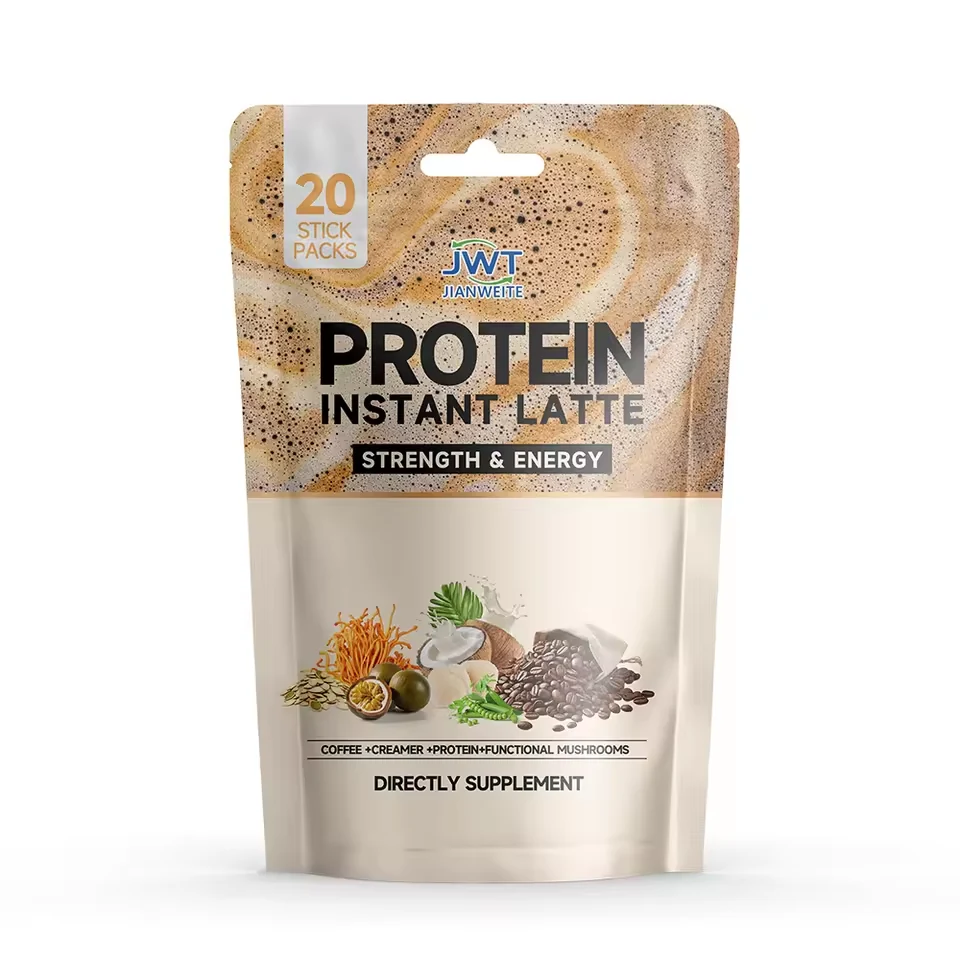
The Serving Ritual Is Part of the Product
Temperature, water or milk volume, mixing method and vessel all influence the way consumers experience a functional drink.
4. Confirm Physical Performance
Powders are evaluated for flow, blending, dispersibility and sensitivity to moisture. Drops require a stable liquid or suspension system, compatible bottle and repeatable dispensing. Instant drinks may need to balance creamy texture with easy mixing and acceptable residue.
Physical targets should be realistic for the ingredients. A naturally opaque botanical drink should not be judged against a clear flavored water unless transparency is a stated requirement. Define what is acceptable for sediment, separation, foam, color variation and preparation time, then use those targets in the approved specification.
5. Match Packaging to Use and Stability
Single-serve film protects each powder portion until opening. Tubs and pouches need closures that continue to protect the product during repeated use. Dropper bottles should be checked for material compatibility, seal integrity, dosing function and label adhesion. Secondary cartons can add instructions, tamper evidence or retail presence.
Barrier needs depend on exposure to moisture, oxygen and light. Packaging artwork must leave room for directions and required information. Component availability and custom-print minimums can influence the first order, so compare options using the complete packed unit rather than the formula price alone.
6. Plan Manufacturing and Quality Review
The process route follows the format. Powders are weighed, blended and filled; liquid concentrates are prepared and filled under a controlled batch instruction. Ingredient identity, material status, line clearance, in-process measurements, coding and reconciliation are recorded.
Finished-product specifications may cover appearance, net quantity, microbiological criteria, ingredient assays and format-specific characteristics. Agree which tests are required for release and which support stability work. A product should not borrow a test plan from an unrelated beverage merely because both are sold as “functional.”
7. Review Claims and Directions by Market
A beverage label must communicate preparation and serving clearly while also meeting the rules of the destination market. Ingredient presentation, nutrition or supplement facts, warnings and claims vary across jurisdictions. The brand should obtain appropriate regulatory review before artwork is printed.
Health claims should be truthful, not misleading and supported by appropriate evidence. Avoid implying disease treatment or guaranteed outcomes. Directions should match the exact product tested, including serving size and water volume, so consumer use aligns with the technical specification.
Functional Beverage Development Checklist
- Use occasion, consumer and preparation method are defined.
- Format matches the required active load and price position.
- Full-strength samples meet agreed flavor and appearance targets.
- Physical performance targets reflect the actual ingredients.
- Packaging protects the product during storage and repeated use.
- Testing and stability plans are specific to the selected format.
- Directions and claims have destination-market review.
Private Label Functional Beverage FAQ
Should I choose powder or drops?
Choose based on dose, ingredient behavior, consumer routine, taste, packaging and shipping goals. A powder can carry a larger serving, while drops favor smaller concentrated doses.
Can an instant drink work in hot and cold water?
Possibly, but both preparation methods should be tested and supported by the label directions because dispersibility and sensory performance can change with temperature.
How many flavor samples are usually needed?
There is no universal number. Sampling continues until the buyer approves a feasible, documented version; clear feedback reduces unnecessary rounds.
Who checks beverage claims?
The brand should arrange qualified review for each destination market. The manufacturer can provide formula and specification information to support that process.
Choose a Format That Makes the Brand Promise Usable
A functional beverage succeeds when the formula, taste, preparation ritual and packaging reinforce one another. Hongri Pharma supports powder drinks, drops and instant beverage projects through OEM/ODM development, sampling, production and packaging coordination.
Need help with a similar request?
Share your product requirements, timeline and cooperation goals. We can help clarify the next step.