
Introduction
Effervescent tablets create a distinctive consumer experience: a compact tablet becomes a flavored drink within minutes. That simple ritual depends on careful control of the acid–base system, active ingredients, flavor, tablet strength, dissolution and moisture protection. A successful product must work in the factory, remain stable in its pack and perform consistently in the consumer’s glass.
For private label buyers, effervescent development is therefore more than selecting a flavor and tube color. Formula design, packaging choice and storage conditions need to be planned together. This guide explains the decisions that shape feasibility, sampling, manufacturing, testing and commercial launch.

1. Start with the Serving Experience
Define how the product should be used before finalizing the formula. State the water volume, number of tablets per serving, expected dissolution time, flavor intensity, sweetness and whether a clear or naturally cloudy drink is acceptable. A product intended for a small glass may need a different sensory balance from one designed for a large bottle of water.
The active-ingredient target must also fit the physical limits of the dosage form. High mineral loads, botanical powders or ingredients with strong taste can increase tablet size and make flavor masking more difficult. During feasibility review, compare the desired claim story with a tablet weight and serving routine that consumers can realistically use.
2. Build a Stable Effervescent System
The characteristic fizz comes from an acid component reacting with a carbonate or bicarbonate when water is added. The formulation team balances these materials with actives, binders, sweeteners, flavors, colors and processing aids. Small changes can affect compression, tablet hardness, dissolution, taste and residue in the glass.
Ingredient compatibility matters before water is ever added. Hygroscopic materials can attract moisture, while some flavors or actives may change during storage. A practical formulation review considers raw-material specifications, particle characteristics, processing sequence and the target shelf-life environment rather than evaluating ingredients only from a marketing list.
3. Use Sampling to Evaluate the Whole Product
A useful sample review covers more than flavor preference. Record tablet appearance, surface condition, odor, friability, dissolution behavior, foam level, sediment and the taste of the prepared drink. Use the same water volume and temperature for each comparison so feedback is meaningful.
Comments should be specific and reproducible. Instead of asking for “more refreshing,” describe whether the sample needs more acidity, less sweetness, a lighter aroma or a cleaner finish. Once the direction is approved, document the formula version, tablet weight, dimensions, sensory reference and preparation method.
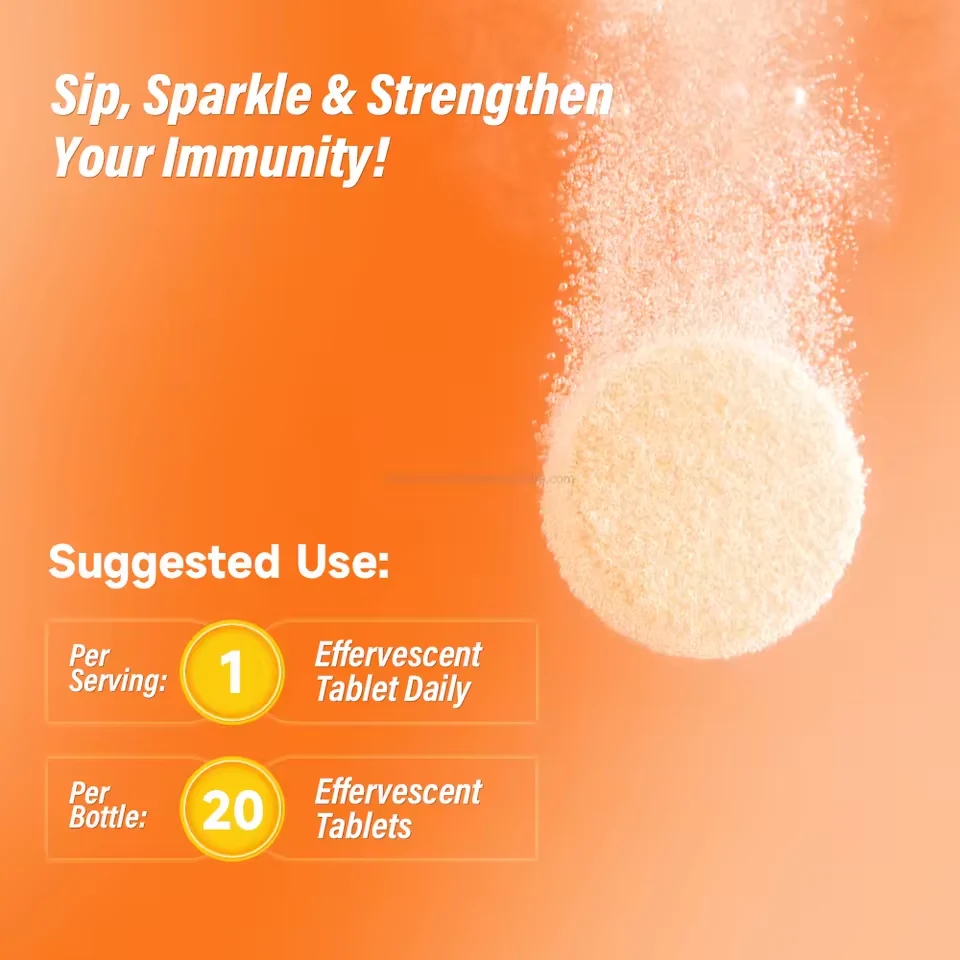
Judge the Prepared Drink
Evaluate dissolution and sensory performance under a defined water volume, temperature and serving method—not only the dry tablet.
4. Manufacture Under Controlled Humidity
Effervescent materials can begin reacting when exposed to unwanted moisture, so the production environment and material handling plan are critical. Approved ingredients are identified, weighed and blended according to the manufacturing instructions. The blend is then compressed using tooling selected for the tablet’s dimensions and target weight.
In-process checks may include blend appearance, tablet weight, thickness, hardness and visual defects. The exact controls depend on the formula and equipment. Line clearance, material reconciliation and batch records help ensure that the correct formula and printed components remain associated throughout the run.
5. Select Packaging as Part of Formulation
A tube with a moisture-managing closure is a common choice because it supports convenient dispensing and helps protect the remaining tablets after opening. Blisters or other formats may also be considered when individual-unit protection, travel convenience or a particular retail presentation is required.
Packaging decisions include tablet count, headspace, closure fit, desiccant configuration, seal integrity, label area, carton dimensions and case packing. Printed tubes, labels and cartons can have different supplier minimums and lead times, so packaging should be confirmed early rather than after the formula is finished.
6. Plan Specifications, Testing and Stability
The finished-product specification should describe identity, appearance, count or net quantity, tablet-related criteria and other tests appropriate to the formula and destination market. Dissolution or disintegration observations can be defined using an agreed preparation method. Chemical and microbiological testing requirements should be set according to the product risk profile and regulatory plan.
Shelf-life planning evaluates whether the product remains within its specification in the intended packaging. Temperature and humidity exposure, pack integrity and consumer opening patterns all affect the evidence needed. For products sold in the United States, an expiration date is not universally mandatory for dietary supplements, but any date used should be supported by valid data.
7. Prepare Artwork for the Destination Market
Artwork must fit mandatory information, directions, warnings, business details and permitted claims within the available label area. A narrow tube creates different design constraints from a carton panel, so the regulatory copy should be organized before the design is treated as final.
Requirements differ by market. The brand should arrange appropriate regulatory review and confirm the final text before printing. Health-related claims should be truthful, not misleading and supported by suitable evidence. Manufacturing documents and formula specifications can support the review, but they do not replace market-specific legal assessment.
Buyer Checklist for an Effervescent Project
- Target market, serving instructions and water volume are defined.
- Active load and tablet size have passed feasibility review.
- Flavor, sweetness, acidity, dissolution and appearance are approved.
- Tube or blister dimensions, count and moisture protection are confirmed.
- Finished-product specifications and testing responsibilities are documented.
- Artwork is reviewed before printed components are released.
- Storage, transport and shelf-life assumptions reflect the destination climate.
FAQ
Why is moisture protection so important?
Effervescent acids and carbonates can react when exposed to moisture. Environmental control and protective packaging help preserve tablet integrity and performance.
Can an existing formula be customized?
Often yes. Flavor, active profile, tablet count and packaging may be adapted within technical and regulatory limits, but every change should be reviewed for stability and processing impact.
Are tubes the only packaging option?
No. Tubes are common, while blisters and other formats may suit specific protection, convenience or merchandising goals.
What should a buyer approve before production?
Approve the formula version, physical and sensory reference, preparation method, specification, testing plan, packaging configuration and final artwork.
Develop the Formula and Pack Together
The best effervescent products are designed as complete systems. A commercially strong brief connects the serving experience to ingredient feasibility, controlled manufacturing, moisture protection and market-ready labeling. Hongri Pharma supports effervescent tablet OEM/ODM projects from sampling through packaging and delivery.
Authoritative References
Need help with a similar request?
Share your product requirements, timeline and cooperation goals. We can help clarify the next step.